


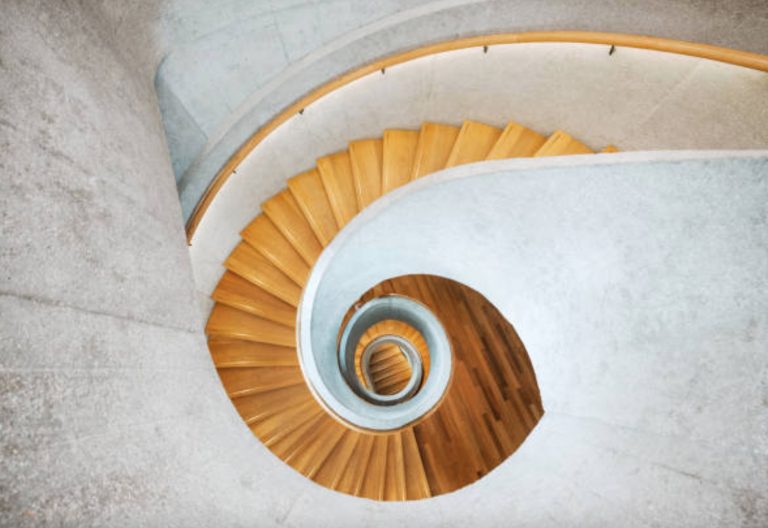
Understanding how to finance a home is one of the most crucial aspects of property ownership, especially if you’re considering a property that falls outside the bounds of conventional construction. While traditional brick-and-mortar houses dominate the housing landscape in the UK, there’s a growing appetite for alternative builds that make use of materials such as timber, concrete, or even steel frames. These homes often offer architectural uniqueness, environmental advantages, or financial benefits in terms of build costs. However, they also pose a unique set of challenges when it comes to securing a mortgage.
Lenders traditionally favour properties that fit a well-known mould—houses built using tried-and-tested materials, with predictable structural behaviour and long-term resilience. When a property is built differently, the risk perception shifts dramatically. For prospective homebuyers, this can turn the dream of owning a characterful or sustainable home into a complex process of financial navigation. In this article, we explore the intricacies involved with obtaining a mortgage for homes of non-standard construction and how to overcome the potential obstacles.
Table of Contents
What defines a non-standard construction property
Before delving into the mortgage implications, it’s important to understand what constitutes a non-standard construction home. While the term might sound technical, it essentially refers to any property that is not built using brick or stone walls with a tiled or slate roof—commonly known as “traditional” construction.
Non-standard construction can broadly be grouped into various categories based on the primary materials or techniques used. Common examples include:
– Timber frame homes (especially those without a brick skin)
– Steel frame constructions
– Precast concrete panels (often in post-war constructions)
– Cob, wattle and daub, or thatch-based homes
– Modular or prefabricated units
– Flat-roof properties or those with non-traditional roofing materials
– Mixed material constructions or hybrid systems
Each of these styles can bring its unique character and benefits—timber frames may offer aesthetic charm, modular homes often score high for energy efficiency, and steel structures can appeal for their architectural style. However, these same characteristics can trigger concerns for mortgage providers.
Why lenders are cautious
Mortgage lenders make decisions based on risk. From their perspective, the ideal borrower not only needs to have a stable income and good credit history but must also be purchasing a property that remains a strong, insurable and marketable asset—something they could readily sell if the mortgage were to default.
Several concerns make lenders wary of non-standard construction:
1. Durability and longevity: Some materials, such as concrete or timber, may degrade faster under certain conditions compared to brick and stone. This can raise questions about long-term structural integrity.
2. Maintenance challenges: Non-standard homes often come with custom or less familiar construction techniques that may be costly or difficult to repair should problems arise.
3. Insurance complications: Homes that are rare or unconventional may be harder to insure due to replacement costs or a limited pool of assessors who understand the structure.
4. Resale uncertainty: Non-standard homes might appeal to a niche market, making their resale value and demand less predictable.
5. Historic track records: Some construction types have a poor reputation, sometimes unfairly. Certain post-war prefabricated homes (system-built) have gained a stigma of being poorly constructed—a label that still lingers even if the specific structure has been upgraded substantially or well-maintained.
These uncertainties can either limit the pool of lenders willing to offer mortgages on such homes or come with stricter terms attached.
Types of non-standard properties and their mortgage implications
To understand how these principles apply in practice, let’s look at the mortgage landscape for various types of non-standard construction homes.
Timber frame homes
Timber frames are often admired for their aesthetic appeal, energy efficiency, and sustainable credentials. In some regions of the UK and around the world, timber frame construction is standard, particularly in colder climates where insulation is critical.
However, a distinction needs to be drawn between modern timber-framed homes (typically completed with a brick or rendered exterior) and older forms of timber construction that are exposed or purely wood-based. Lenders are usually more comfortable lending on modern, professionally built timber-framed properties from well-known developers. If the timber structure is older, lacks detailed building documentation, or appears unique to the region, extra assessments may be required.
Concrete constructions
Precast concrete homes, many of which were mass-produced in the post-World War II housing boom, tend to be flagged quickly by surveyors and mortgage providers. These homes were originally developed as quick solutions to housing shortages, but over time, questions arose over their structural integrity.
However, not all concrete homes are created equal. Some modern, architect-designed concrete builds are incredibly secure, stylish, and environmentally conscious. Mortgages on such homes often come down to distinctions in building standards, engineering reports, and whether the property has been ‘repaired’ under any recognised scheme. It’s crucial that any concrete home you’re interested in has a PRC (Precast Reinforced Concrete) certificate if applicable, confirming that necessary structural repairs have been completed.
Steel frame and modular homes
Steel-framed homes can be divisive among mortgage lenders. Modern iterations of this style are typically robust and engineered to rigorous tolerances. Yet older buildings using steel frames—such as those produced in the 1950s and 60s—may suffer from corrosion or fatigue in concealed parts of the frame.
Modular homes are another rising category, often factory-built under highly controlled conditions before being delivered to site. These homes usually come with comprehensive manufacturer warranties and abide by specific building codes, making them increasingly accepted by certain lenders. However, traditional banks may still view them cautiously due to limited precedent in valuation and resale history.
Unconventional or historic materials
Homes constructed from cob, straw bale, or wattle and daub materials are a testament to historical building practices. While they offer immense character, these properties require specialised care and expert assessment. Lenders may only approve mortgages on these types of homes if a comprehensive structural survey confirms they have been well maintained and comply with safety regulations.
Flat roofs and mixed material buildings
Flat-roof properties are more likely to be scrutinised during a mortgage application, especially if the roof is outdated or poorly insulated. Potential issues with weatherproofing and drainage can make these roofs more susceptible to deterioration, which in turn leads lenders to classify the property as high risk.
A mixed-material home or converted building (such as a barn or shipping container home) may prompt detailed inspections to ensure the structural integrity is sound and that building regulations have been fully adhered to.
How to prepare for a mortgage application
If you’re determined to pursue ownership of a non-standard construction home, preparation is key. With due diligence, many of the perceived obstacles can be mitigated or addressed to the satisfaction of mortgage providers.
Detailed property surveys
Engaging a surveyor who specialises in non-standard construction is a wise early move. A detailed survey that outlines the condition of the materials, identifies any possible structural issues, and provides a history of maintenance or upgrades can serve as a compelling bolster to your mortgage application.
Lenders do not merely rely on visual checks—many also use valuation models that consider historical data of similar constructions. Therefore, the clearer picture you can provide through professional reports and expert opinions, the better.
Check for certification
If repairs or upgrades have been made (especially in the context of post-war concrete or steel properties), make sure these improvements are recognised under official schemes and certificates. For example, a PRC Certificate can confirm that a concrete-built property has undergone the necessary repairs to remove the former ‘defective’ classification.
Work with specialist brokers
Not all mortgage brokers are experienced with non-standard construction homes, but some are—and they can make a significant difference. These brokers understand which lenders are more open to specific property types and how to package your application to address common lender concerns preemptively.
Access to a wider panel of niche or smaller lenders, many of which are not accessible via high street banks, can unlock financial options that would otherwise be unavailable.
Insurance before application
Lenders will typically require proof that the property is insurable before they approve a mortgage. Some properties deemed uninsurable due to construction materials or assumed risk will be outright denied financing. Therefore, before making a formal offer, it’s wise to secure a quote or policy from a home insurance provider. Specialist insurers may be required, and premiums could be higher for non-standard homes.
Be prepared for larger deposits and higher rates
Depending on the lender’s exposure comfort, you might be asked to provide a larger deposit—sometimes 15% to 30% of the property’s value—to offset the risk. Additionally, interest rates on mortgages for non-standard properties may be slightly less favourable than those on traditionally constructed homes. This is particularly noticeable if you’re approaching smaller or specialist lenders.
Other financing alternatives
If traditional mortgage avenues aren’t yielding results, it may be worthwhile to investigate other financing mechanisms. Some options include:
– Self-build mortgages: If you’re constructing or customising a non-standard home, this type of financing releases funds in stages based on build completion.
– Bridging loans: While not a long-term solution, a short-term loan can be useful if you’re considering renovating a property to bring it up to standard for future mortgage eligibility.
– Specialist lenders: Certain smaller institutions and niche banks specifically cater to unusual properties. They may offer bespoke products, albeit sometimes at a premium interest rate.
The importance of future-proofing
When buying or building a non-standard construction property, it’s not just about your initial mortgage application. You should also be thinking ahead in case you want to remortgage, sell, or expand the property in the future. Ensuring compliance with building regulations, maintaining all relevant certifications, and documenting renovations or repairs with authorised professionals can all help future owners, and potentially yourself, when dealing with mortgage providers down the line.
Conclusion
Purchasing a non-standard construction home can be an incredibly rewarding experience—offering architectural flair, environmental efficiency, or even cost savings. But these benefits come with additional responsibilities and hurdles, particularly when it comes to securing a mortgage.
Lenders are not necessarily averse to non-standard builds, but they do demand reassurance through detailed surveys, compliance documentation, and often, higher deposits. With preparation, the help of specialist brokers, and a clear understanding of your property’s structure and history, you can navigate the process successfully.
Ultimately, the key is to approach the purchase with both eyes open. By being proactive and thorough, you’ll not only improve your chances of mortgage approval, but also safeguard your investment for years to come.